For about 150 years, this small seaside city was the center of power in Japan. Kamakura was the seat of the Kamakura shogunate from 1185 to 1333, established by Minamoto no Yoritomo. It was Japan’s first government led by samurai. Today, its temples, shrines and hiking trails sit side by side with surf shops and cafes.
Tsurugaoka Hachimangu
Kamakura’s most important shrine is a 10-minute walk from Kamakura Station. Yoritomo moved it to its present location in 1191 and built the city around it. The broad approach, the steps up to the main hall and the ponds on either side are all worth a slow walk. On the way, Komachi-dori is a lively street of snacks and souvenirs.
The Great Buddha
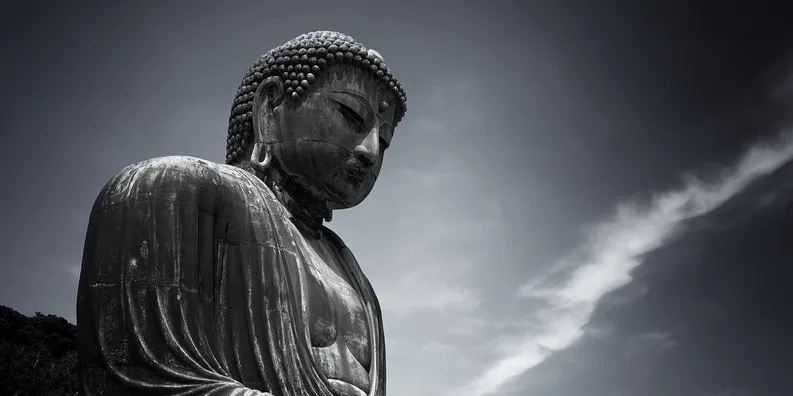
The bronze Great Buddha at Kotoku-in is one of the most famous sights in Japan. Construction began in 1252. Its hall was destroyed by storms in the 1300s, and the Buddha has sat in the open air ever since. It stands 13.35 meters tall including its base and weighs about 121 tons. For a small fee, you can even step inside the statue.
Hasedera and beyond
Nearby Hasedera temple has gardens, caves and a terrace with views over the sea, and it’s especially popular during the hydrangea season in June.
Enoshima and the Enoden
The little Enoden train rattles along the coast between Kamakura and Fujisawa, past beaches and backyards. Get off at Enoshima to walk across the bridge to the island’s shrines, caves and lookout tower.
Local flavors
Shonan is famous for shirasu (tiny whitebait), often served raw or boiled over rice in a shirasu-don.
Getting there
Take the JR Yokosuka Line from Tokyo to Kamakura, about an hour. Or take Odakyu from Shinjuku to Katase-Enoshima, and use the Enoshima-Kamakura Freepass for unlimited Enoden rides.